
Daniel Comboni
Comboni Missionaries
Institutional area
Other links
Newsletter
The horizon of digital missionaries

Tuesday, November 03, 2026
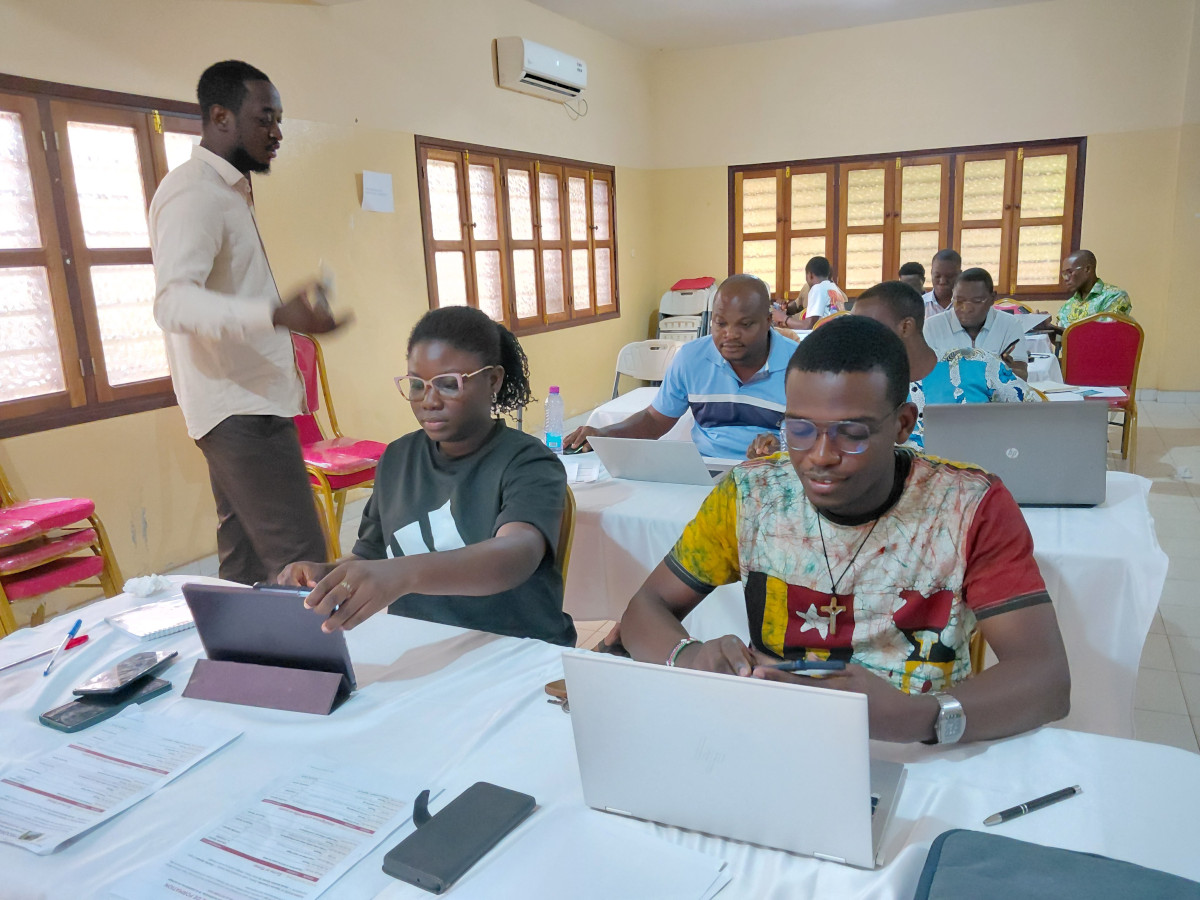
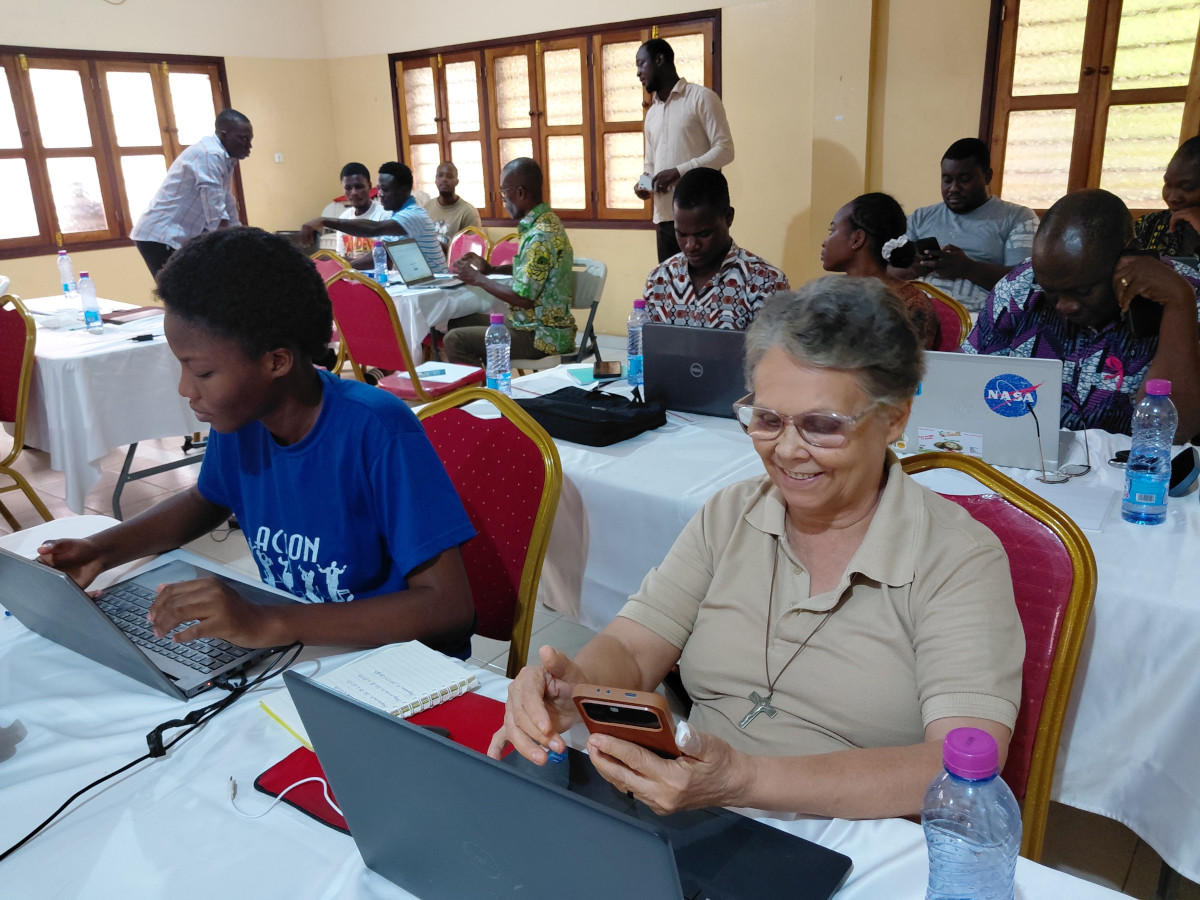
After attending a workshop on pastoral communication and digital tools, I felt moved to share a few reflections on how technology, especially artificial intelligence, can serve the Gospel.
We live in a digital age. For us missionaries, the question is no longer whether to use digital tools, but how to use them wisely.
Jesus says that a scribe trained for the kingdom brings out of his treasure “what is new and what is old” (Matthew 13:52).
Our treasure is Scripture, Tradition and years of formation. Digital tools are the new things we bring out to serve the Word.
The Church has long encouraged this. Benedict XVI called social networks “new spaces for evangelization”. Pope Francis reminds us that young people live in the digital world, with both opportunities and risks.
Pope Leo XIV, in Magnifica Humanitas, cautions that technology must never become a new Tower of Babel, built on technocratic pride and commercial domination. Like the rebuilding of Jerusalem under Nehemiah, it should serve the patient rebuilding of human fraternity.
Meeting people where they are
Philip met an Ethiopian official on the road, listened to what he was reading, and then explained the good news (Acts 8: 26-40).
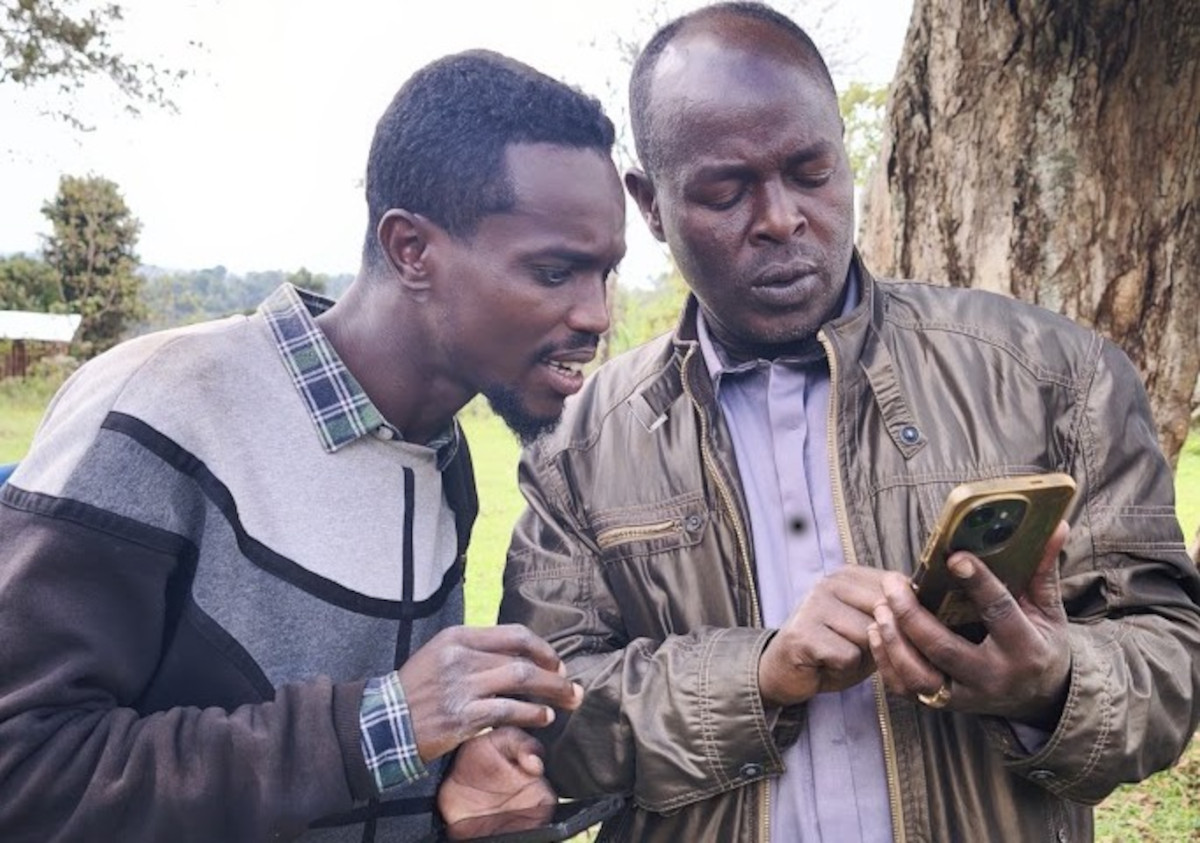
Today, that road is often a screen. Practical ways to walk it:
- Messaging groups: Create WhatsApp or Telegram groups for youth or catechists. Share a two-minute voice note on the Sunday Gospel each week, with one question for discussion.
- Short videos: Explain the Sunday readings in 60 to 90 seconds, in local languages. AI can help with subtitles and translation.
- Audio: Record homilies, then use artificial intelligence (AI) to transcribe, summarize and translate them. Share them as voice notes or on community radio.
- Infographics: Prepare Advent and Lent guides, explain the parts of the Mass, or summarize Church documents for study groups.
- Online prayer: Hold Lectio Divina or the Rosary by video call for the sick, migrants and those far away.
- Accessibility: Add captions and audio versions so no one is left out.
From screen to sacraments
Digital ministry is a threshold, not a sanctuary. A screen can spark interest and offer accompaniment. Yet, it cannot replace the Eucharist or the community of believers.
We use digital contact to guide people towards the parish, the sacraments and service of their neighbours.
Using AI with discernment
Technology must serve the human person. Pope Francis calls for communication guided by the “wisdom of the heart”, and Antiqua et Nova teaches that AI should complement human intelligence, never replace it. In practice:
- Verify: AI can invent facts, quotations and Bible references. Check everything against Scripture, the Catechism and other original sources.
- Protect privacy: Never enter confidential pastoral information or the names of vulnerable people into AI tools.
- Safeguard minors: Follow your diocese’s and congregation’s policies. Use moderated groups with several responsible adults, and avoid private messaging.
- Be transparent: Say when AI helped. People look for an authentic voice, not an artificial one.
- Stay humble: Seek communion with the local Church, not followers or fame (i.e., pastors, not influencers).
The heart of the mission
True wisdom comes from God alone. AI cannot replace the nine to twelve years of prayer, study, pastoral endeavours and community life that formed us. It can help us share the fruit of our meditation, but it cannot do the meditating for us.
The horizon before us is wide. May we walk towards it with courage, humility and fidelity to the One we serve.
Deacon Sylvestre Davon Kossigan, MCCJ