Daniel Comboni
Comboni Missionaries
Institutional area
Other links
Newsletter
Laudato Si’ Platform: from commitments to ecological transformation
Thursday, November 5, 2026
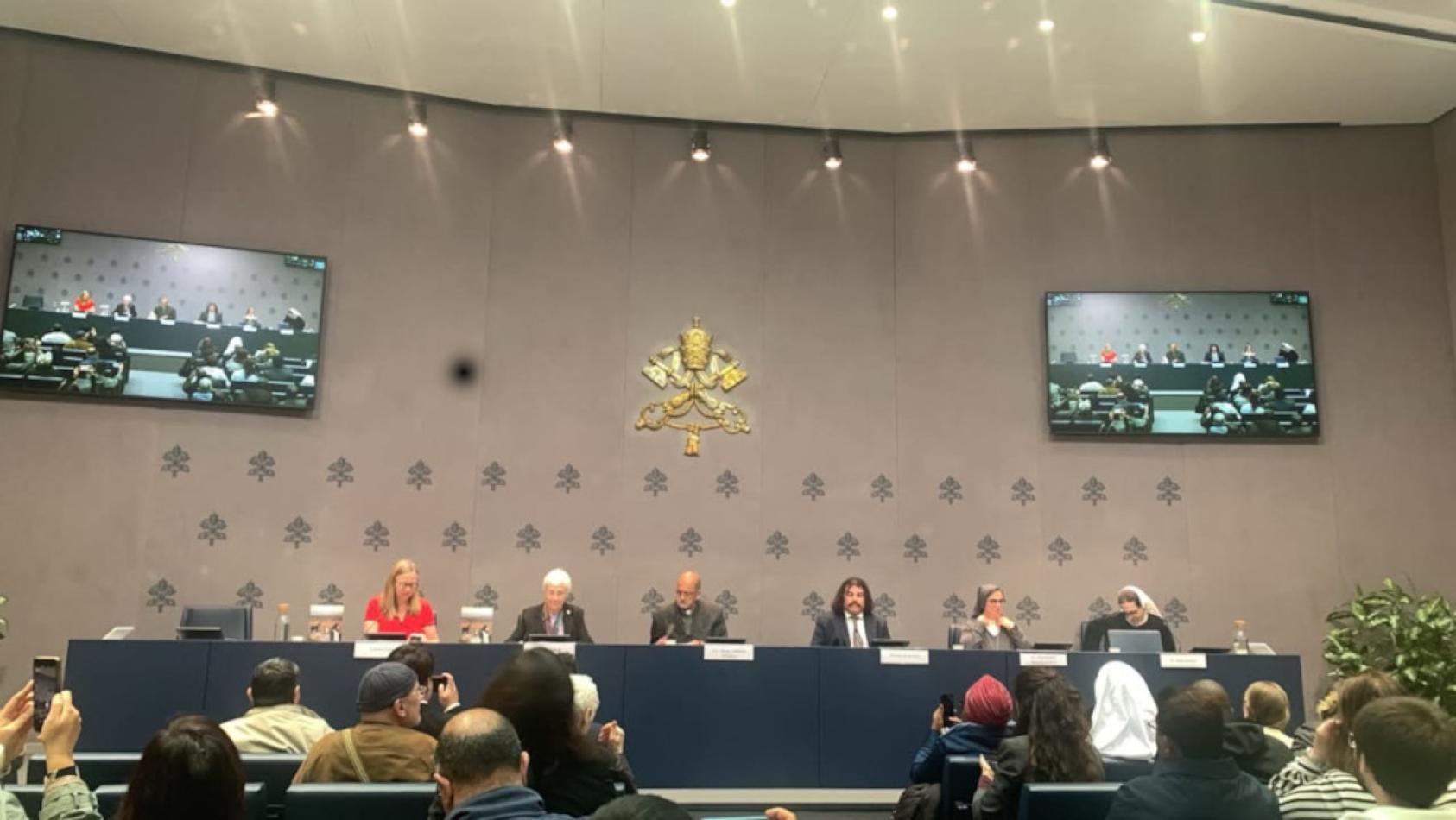
Five years after its launch, the Laudato Si’ Platform is entering a new phase, it was announced at a press conference held on November 4 to present the results of its first five years of activity. This digital space provides Catholic institutions and organisations with the tools they need to make progress towards sustainability, in the spirit of the encyclical Laudato si’.
The Laudato Si’ Platform, promoted by the Dicastery for Promoting Integral Human Development, offers practical resources to protect our common home, in operational collaboration with the Laudato Si’ Movement.
Five years after the Platform was launched, more than 13,000 participants, including 6,200 institutions, have committed themselves to embarking on a journey towards global ecological conversion through a cyclical process of reflection, planning, action and evaluation.
“We are talking about moving beyond words,” stated Sr Alessandra Smerilli, Prefect of the Dicastery, “towards a conversion of our lifestyles, a return to the heart, and following Jesus through care for Creation and the poor. As the Book of Genesis reminds us, cultivating and caring for creation and for our brothers and sisters is a central vocation of the Christian experience.”
The five-year assessment is encouraging, with thousands of initiatives for integral ecology implemented throughout the world—the fruits of ecological conversion.
Nevertheless, the Platform has also brought an important realisation to light: it is not enough simply to invite communities, groups and institutions to participate; it is also essential to accompany those who make this commitment.
The Laudato Si’ Action Platform makes the Church’s commitment visible, but now invites us to consider whether the way our institutions make decisions and renew themselves is also changing in response to the call for ecological conversion.
“What characterised the first five years,” stated Lorna Gold, President of the Laudato Si’ Movement, “was the Church’s willingness to respond to the call for ecological conversion. Over the next five years, the challenge will be to demonstrate an openness to institutional change.”
Priorities for the Next Five Years
“If, during the first five years, the Platform encouraged communities and institutions to make a commitment, the goal now is to bring participants together for mutual growth,” emphasised Alonso de Llanes, Director of the Laudato Si’ Action Platform.
This has given rise to four priorities for the next five years:
1. Digital Atlas: This project brings together different types of environmental, social and ecclesial data shared on the Platform to help reveal the various realities that shape a particular place. The data available on the map help us understand the different levels of action, how they relate to the Laudato Si’ Goals, and where one issue begins to intersect with another. This makes it easier to learn about what is happening in local communities and identify opportunities for collaboration and synergies.
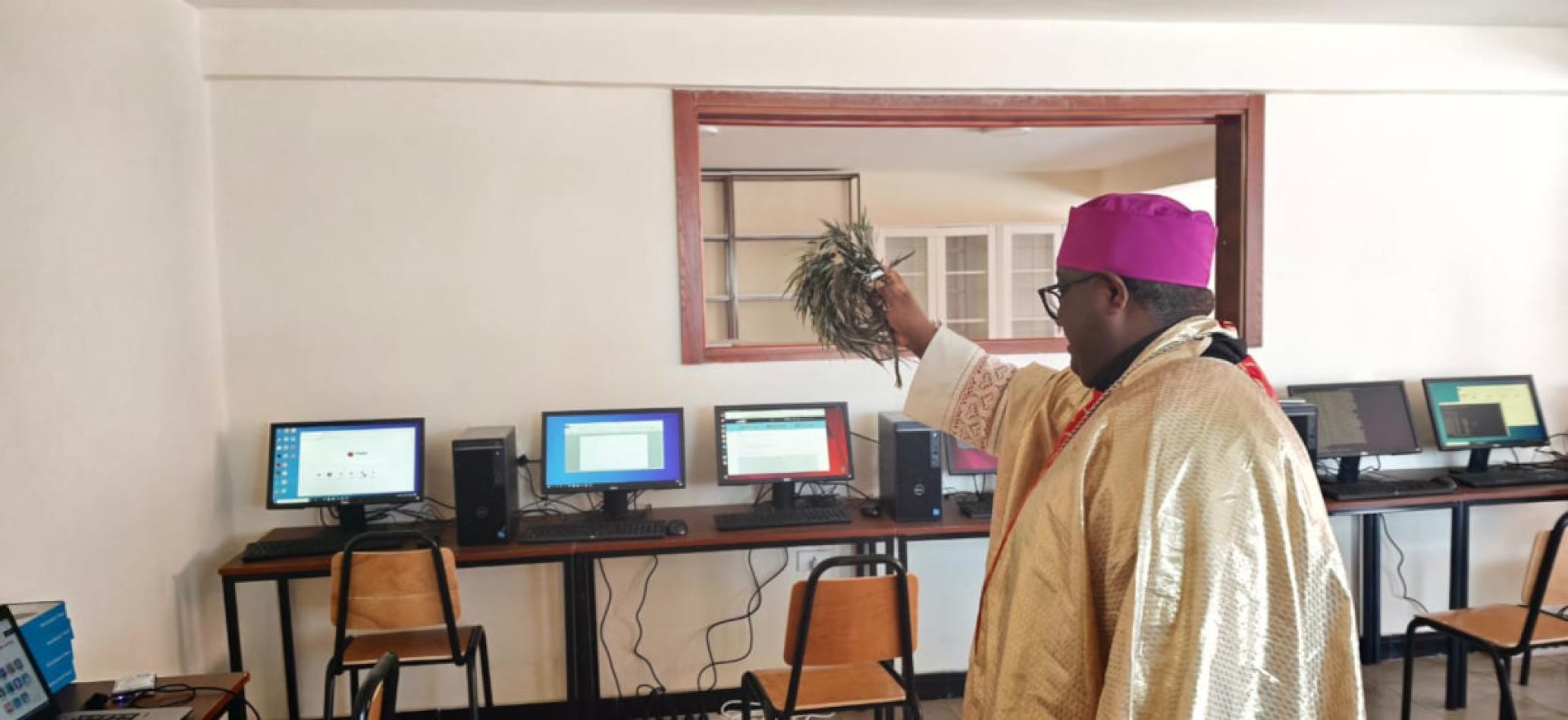
2. Removing barriers to participation: The Platform will also become accessible offline, interaction will be made easier, and a new hub will be created for sharing resources, experiences and knowledge.
3. Introducing appropriate artificial intelligence tools to facilitate learning and action.
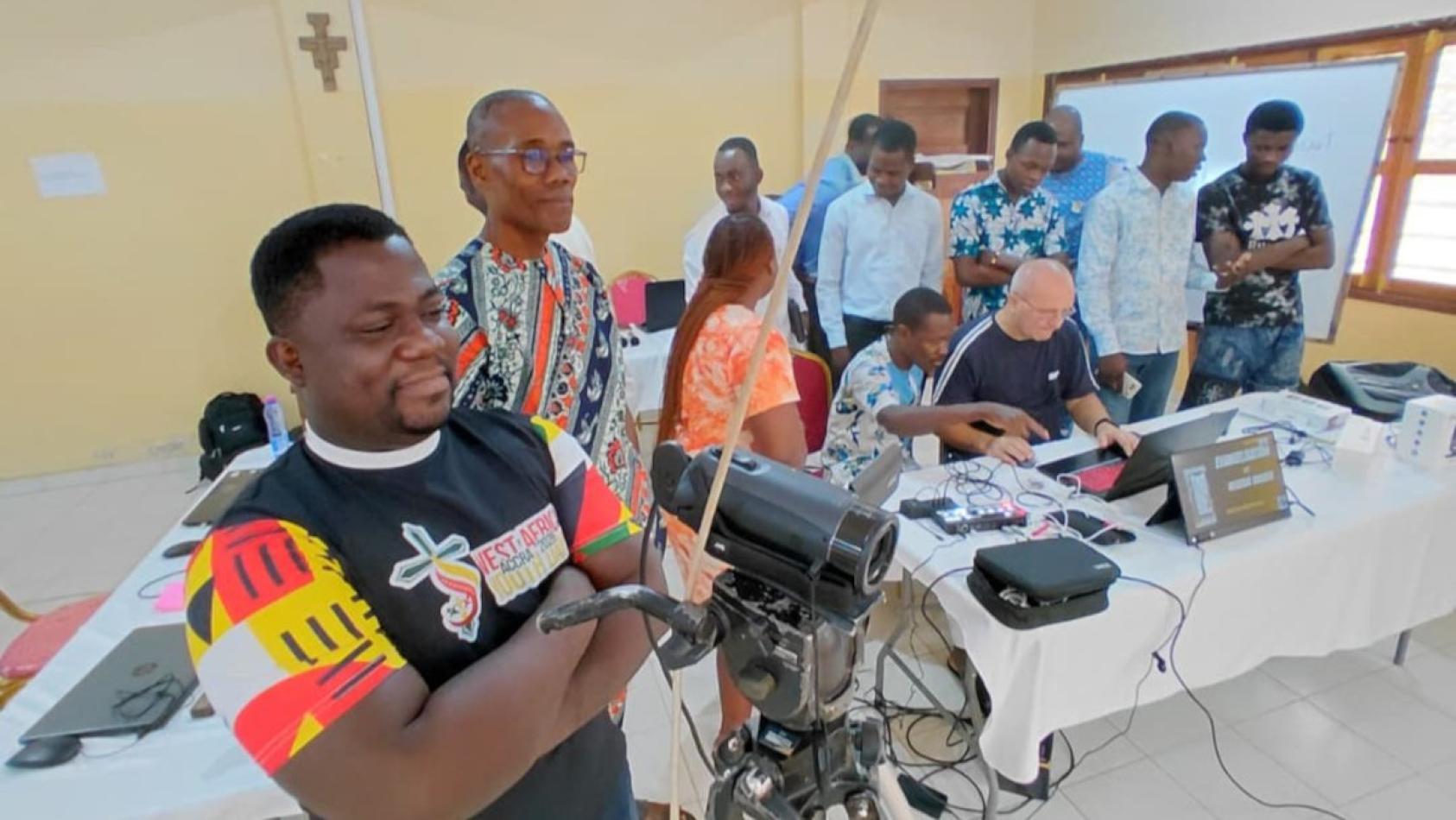
4. Creating a global network of digital missionaries: These will be trained volunteers who inhabit the “digital continent” not simply as content creators, but as witnesses who use communication to accompany people and promote care for our common home.
In conclusion, the challenge is to build a movement capable of creating synergies and promoting not only change at the local level, but also genuine systemic transformation.
Bro. Alberto Parise, MCCJ