Daniel Comboni
Comboni Missionaries
Institutional area
Other links
Newsletter
Ethiopia–Kenya: Moyale, clashes and refugees along an undefined border
Friday, November 13, 2026
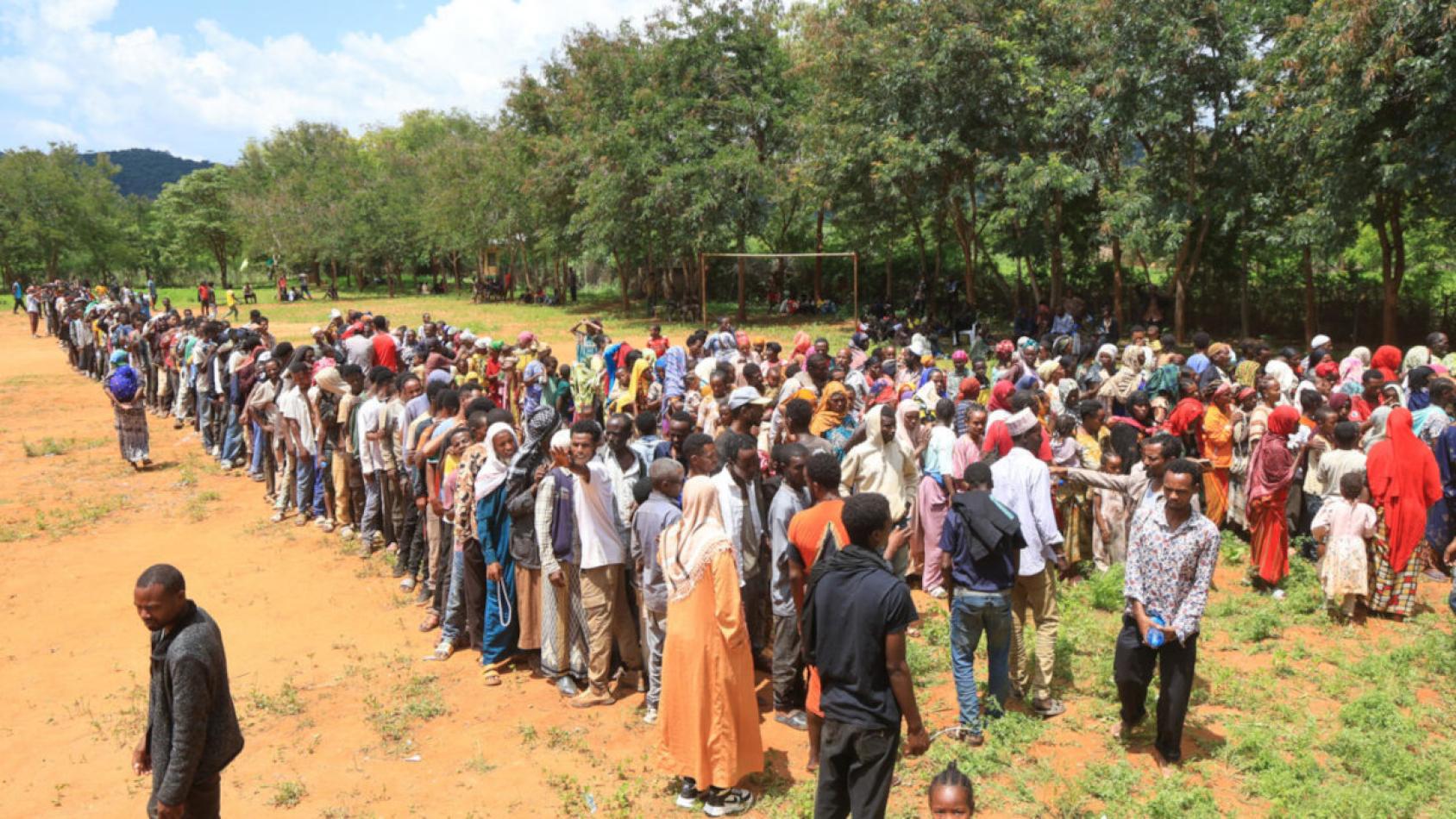
Tensions between the Borana Oromo and Somali Garre communities over territorial disputes around the Ethiopian town of Moyale, on the border with Kenya, have displaced tens of thousands of people and brought an important trade route to a standstill, with serious consequences for Nairobi as well. [Photo: rfi]
In Ethiopia, tensions between different regions and ethnic groups are widespread and can easily escalate into full-blown conflicts, often with repercussions extending beyond the country’s borders. In recent months, tensions have flared up again in the northern Tigray region. This is the most concerning and widely known conflict because of its impact on the country’s internal balance of power and its consequences for neighbouring areas and the wider region. But it is not the only one.
The roots: ethnic federalism
Tensions have also intensified again in the south, between the Oromo and Somali regions, over territorial disputes rooted in the ethnic-based federal system introduced in the 1990s, following the fall of the communist regime led by Colonel Mengistu Haile Mariam. Since then, many internal boundaries have remained unclear, reflecting the presence of ethnic communities rather than clearly drawn and mutually recognised territorial borders. This is the case with the boundary between the Oromo region, the Oromia Regional State, and the Somali region, the Somali Regional State.
Moyale, a border town
These unresolved disputes converge in Moyale, a town of considerable economic importance where the boundary between the two regions has never been clearly established. Moyale is literally a border town: it is not only disputed between two Ethiopian regions, but is also divided by the international border with Kenya. It is a crucial hub for trade between the two countries and for both regular and irregular migration routes.
On the Ethiopian side, the town has frequently been the scene of clashes, particularly between the Borana Oromo community and the Somali Garre community, many of whose extended family members live in Kenyan territory. This is why Kenya also becomes involved in the conflict. The most recent major crises occurred in 2008, 2012 and 2018.
The spark: 18 October
The latest conflict erupted on 18 October. The immediate trigger was reportedly the opening of a Somali regional administrative office in a disputed area of the town. The Borana regarded the Somali regional flag flying above the building as a provocation and a blatant violation of their territory and administrative jurisdiction.
A 13-year-old girl was killed in the clashes that immediately followed. According to the Borana account, she had been trying to lower the flag herself. The incident inflamed tensions, and clashes escalated over the following days, quickly developing into a full-scale conflict involving the use of heavy weapons, including artillery. The violence also spread to seven other administrative districts along the boundary between the two regions.
A humanitarian crisis
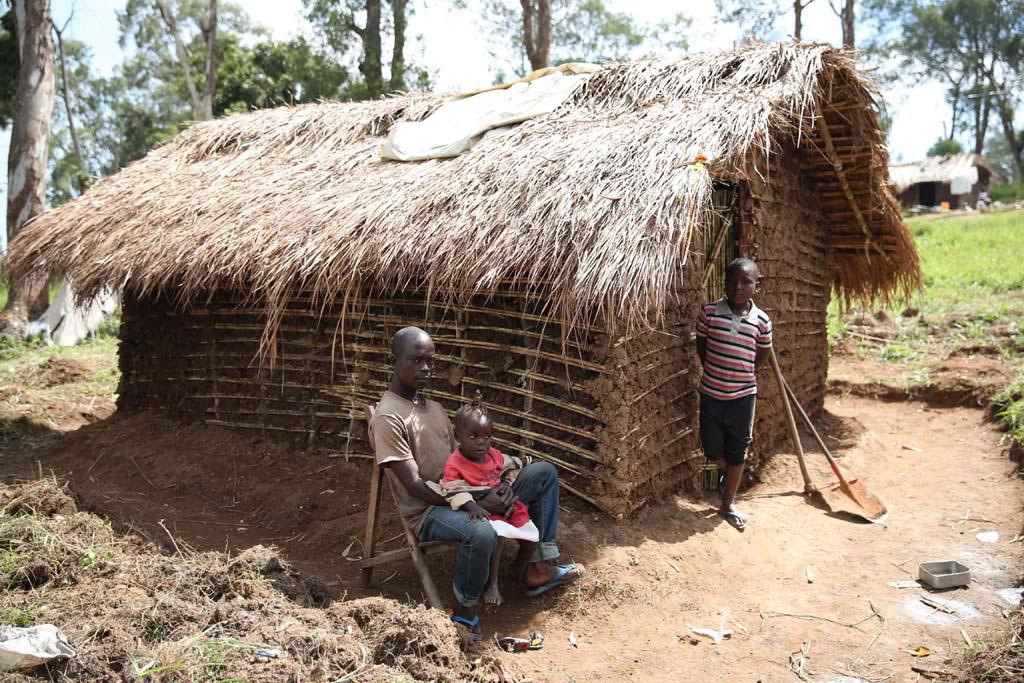
The situation has become so severe that at least 50,000 people have been forced to flee, the vast majority of them women and children. They have sought refuge in the Kenyan part of Moyale and surrounding areas. This has triggered a humanitarian crisis that the relevant authorities, particularly those in Marsabit County, which includes the Kenyan town of Moyale, are struggling to address, with support from the Red Cross and UNHCR.
According to recent monitoring carried out by international organisations, 71% of displaced households reportedly do not have enough food, while 80% identify food as their most urgent need.
Kenya between security and diplomacy
The conflict in Ethiopia has quickly become a security issue for Kenya as well. Kenya has sent the relevant authorities to the area and deployed its security forces to protect both the population and its territory.
The clashes have caused fear and casualties on the Kenyan side of Moyale too, particularly in neighbourhoods closest to the border, where bullets and explosive devices have landed, forcing numerous families to flee. These displaced Kenyan residents have joined the Ethiopian refugees.
Kenya is also working diplomatically to contain the crisis. Musalia Mudavadi, the country's Prime Cabinet Secretary and Cabinet Secretary for Foreign and Diaspora Affairs, is directly involved in the negotiations. For the time being, however, the warring parties appear unwilling to lay down their arms.
Border closed, trade brought to a standstill
The Moyale crisis is also having serious economic repercussions. The border crossing and customs post are closed, and for around twenty days a crucial trade route in East Africa has been blocked. This route directly connects the port of Mombasa with Addis Ababa, passing through Nairobi.
The most striking image of the crisis is that of the extremely long queues of trucks stranded on both sides of the border, carrying goods that include perishable food supplies.
Local trade involving small-scale traders from communities living within 100 kilometres of the border has also come to a halt. These traders had benefited from simplified customs procedures under the Simplified Trade Border Regime, signed in December last year and implemented only a few months ago.
The result has been a reduction in the availability of goods, including in local markets, and price increases of up to 20%, according to credible estimates. This represents an additional serious burden for a population already caught up in the conflict.
Bruna Sironi – Nigrizia