
Daniel Comboni
Comboni Missionaries
Institutional area
Other links
Newsletter
4. Inculturation and interculturation
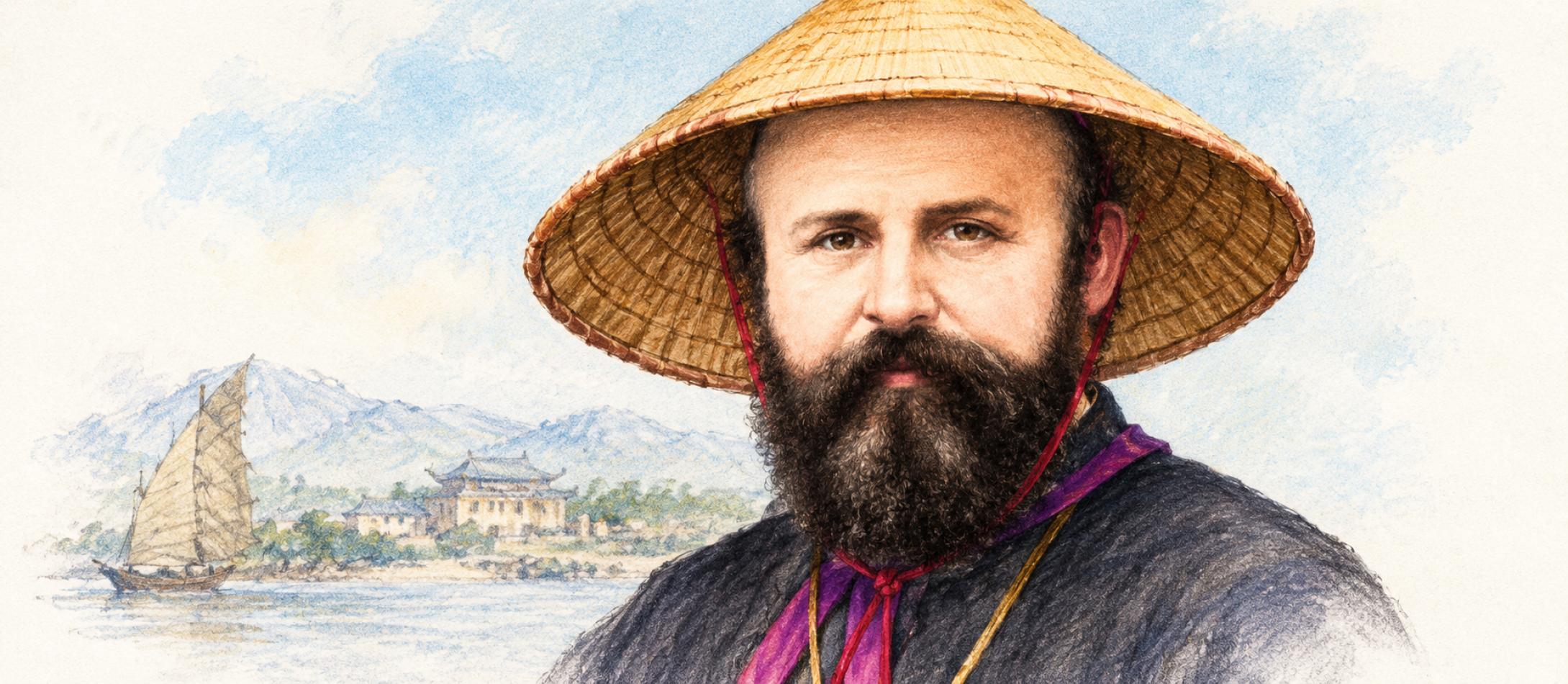
Evangelii Gaudium argues the need for inculturation not as a simple pastoral technique, but as an essential and inescapable dimension of the "Church that goes forth". Inculturation is the way in which the Gospel, by its dynamic and fruitful nature, truly encounters the hearts of peoples.
A Church that "goes out" does not encounter an abstract world, but concrete people, shaped by a culture. Missionary outreach implies by its nature the encounter with cultural diversity. The passage from EG 116 is fundamental:
In this exhortation I have repeated several times that we must reach out to everyone, without allowing ourselves to be conditioned by the fact that we belong to a particular environment or adopt certain customs. I say now that in every people and in every culture the Gospel is fruitful and dynamic if it is received with an open heart. Grace presupposes culture, and the gift of God is incarnated in the culture of those who receive it.
Francis establishes a theological principle: "grace presupposes culture". Just as the Word of God became incarnate in a specific culture and time (the Jewish one of the first century), so the grace of the Gospel today must be incarnated in the cultures of those who receive it. A Church that does not inculturate itself is not truly "going forth", but remains on the margins, extraneous to the life of peoples.
Furthermore, EG contrasts inculturation with two drifts: sectarian proselytism and the imposition of a single cultural model. Inculturation is a process of mutual respect, dialogue and fertilization. A proclamation that imposes a foreign cultural form (e.g. a "European Christianity") is contrary to the Spirit of the Gospel. It is a form of spiritual control. Inculturation, on the other hand, is an act of trust in the Holy Spirit, who is already at work in cultures before our arrival. This is not a one-way street. It is a dynamic process in which the Church gives the Gospel and, at the same time, receives from cultures new riches to express it. On the one hand, the Gospel brings a new light to purify and bring to fulfilment what is good and true already exists in a culture. On the other hand, the different cultures, with their values and wisdoms, help the Church to understand and live the fullness of the Gospel in a richer way. Finally, Francis argues for inculturation with a principle of pastoral effectiveness and respect for the other. The message must be proclaimed in a "language" that people can understand, not only linguistically, but also at the level of symbols, mental categories and sensibilities.
Inculturation is therefore not an optional for specialists, but the very breath of a missionary Church which, going out of itself, recognizes that the Holy Spirit has already prepared the ground and that God's salvation is destined to put on the clothes of every culture on earth. In a dynamic of reciprocity, inculturation is a process that can also be described as "inter-culturation" – in the perspective of the so-called "inter gentes" mission – in which the Gospel, by becoming incarnate in a new culture, enriches its own expression. The culture that receives the Gospel is purified and elevated, while the universal Church, observing how the Gospel comes to life in a new culture, deepens its understanding of the faith. Even the cultures of origin of missionaries (e.g. the European one) are questioned and enriched by the encounter.
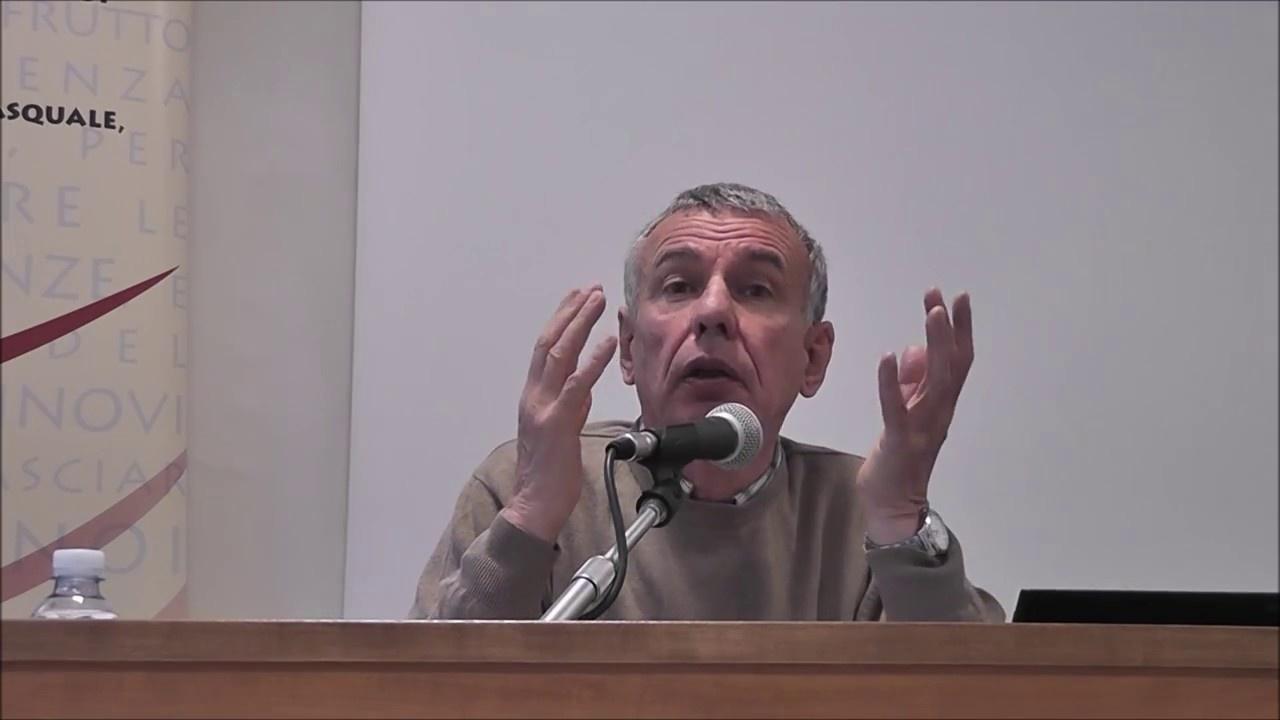
Two contributions for personal reflection. Carmelo Dotolo offers us a reflection on the requalification of the mission through the dynamics of inculturation/interculturation; Paolo Consonni shares the experience of the Institute in Asia, in the perspective of dialogue and interculturation.
4. Inculturação e interculturação_PT
4. Inculturación e interculturación_ES
4. Inculturation and interculturation_EN
4. Inculturation et interculturalisation_FR
4. Inculturazione e interculturazione_IT
4.1. A requalificação da missão através da inculturação e interculturação_PT
4.1. La recalificación de la misión a través de la inculturación y la interculturalidad_ES
4.1. La requalification de la mission à travers l’inculturation et l’interculturalité_FR
4.1. La riqualificazione della missione attraverso l’inculturazione e l’interculturazione_IT
4.1. The Re-qualification of Mission through Inculturation and Interculturation_EN
4.2. Diálogo e inculturação na missão comboniana no mundo chinês_PT
4.2. Diálogo e inculturación en la misión comboniana en el mundo chino_ES
4.2. Dialogo e inculturazione nella missione comboniana nel mondo cinese_IT
4.2. Dialogue and Inculturation in Comboni Mission in the Chinese World_EN
4.2. Dialogue et inculturation dans la mission combonienne dans le monde chinois_FR
4.3. Scheda_EN
4.3. Scheda_ES
4.3. Scheda_FR
4.3. Scheda_IT
4.3. Scheda_PT