
Daniel Comboni
Comboni Missionaries
Institutional area
Other links
Newsletter
3. Mission beyond ordinary pastoral ministry
Monday, July 13, 2026
The General Council's letter on mission notes that "in various contexts, sometimes even in formation, a worrying clerical trend is emerging. For example, we note a concentration of our presence in traditional parishes and in a type of ordinary pastoral ministry that is more tied to the past than to today's missionary challenges and to social ministry according to the Comboni charism."
It seems that the heart of the message of Evangelii Gaudium, namely, the missionary conversion of the entire Church, has not yet been understood. This is not simply an adjustment of pastoral techniques but a shift in mentality and ecclesial paradigm. "Pastoral ministry of conservation" and "missionary pastoral ministry" are two antithetical ways of conceiving the Church's identity and mission.
Often, perhaps without even realising it, we are tempted to operate with a "pastoral ministry of conservation." What is it? It is a Church that, concerned with protecting its heritage, ends up turning in on itself. It is a Church whose energy is absorbed primarily by the maintenance of its structures, the functioning of its offices, and caring for those who are already there, perhaps with the secret hope that tradition alone will draw people through our doors.
This is "sterile ordinary pastoral care," which is not the leaven of evangelisation. It is a Church that "is reduced to an organisation created for self-preservation, concerned above all with running smoothly, where the logic of 'it has always been done this way' prevails" (EG 26). Conservative pastoral care is the state in which the Church, consciously or unconsciously, withdraws into itself, into its own structures and routines, into its own maintenance. Thus, it ends up speaking primarily to itself and perceives the outside world as a threat.
Evangelii Gaudium forcefully contrasts conservative pastoral care with missionary pastoral care, which is characterised as a Church that "goes forth." A Church that does not wait, but goes forth. A Church that is not afraid to get its hands dirty in the dust of the streets and existential peripheries. Evangelii Gaudium is crystal clear: small adjustments are not enough. "What is needed is a pastoral and missionary conversion that cannot leave things as they are" (EG 27). Its appeal is for a "revival of an evangelising and outgoing Church," because the joyful newness of the Gospel "cannot remain closed off or suffocated by obsolete structures and models" (EG 20).
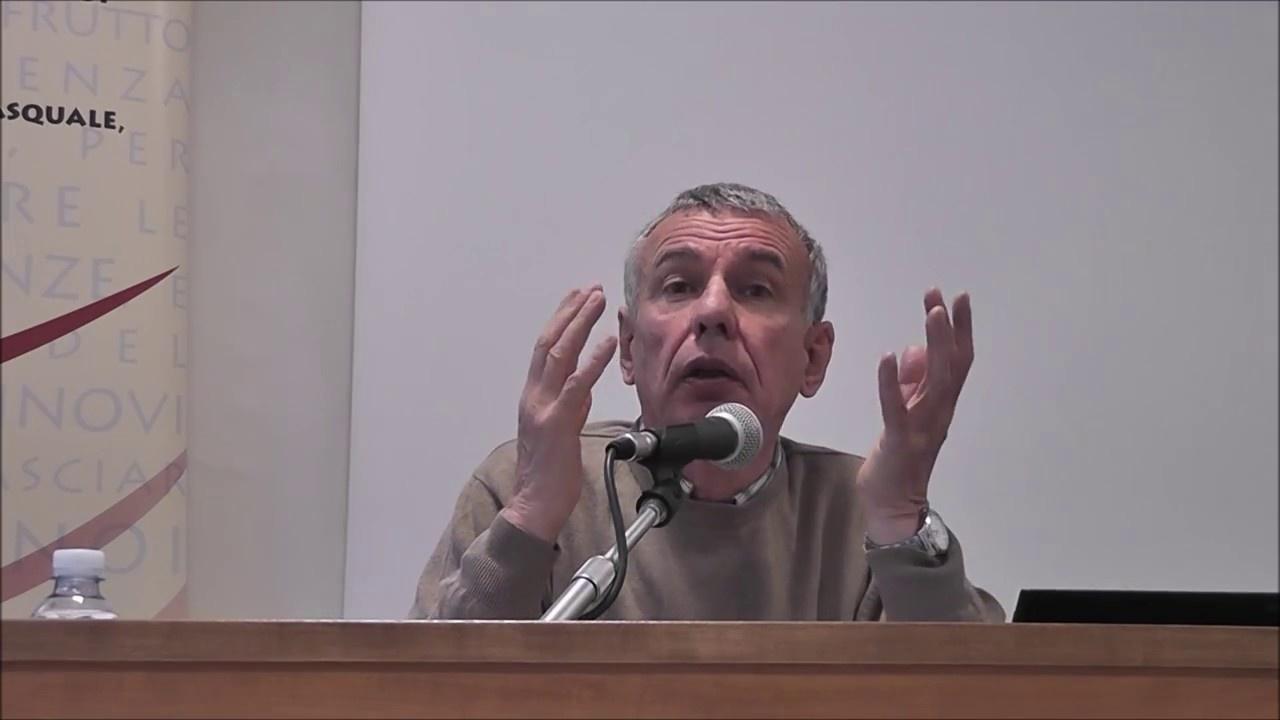
Therefore, the Church is called to step outside its security to encounter humanity, especially those who are excluded, impoverished, and oppressed. The heart of the message is the encounter with the person of Jesus Christ, and it is important to focus on the essential, on the centrality of the kerygma. Closeness, understanding, and integration (mercy) are prioritised, and all structures must be revisited for the mission. Maria Soave Buscemi's contribution explored the meaning and implications of an outgoing Church, bringing Latin American sensibilities to the table.
Next, the priorities. A missionary Church has its antennas pointed not toward the centre, but toward the peripheries. Toward those distant, the disillusioned, the wounded by life. "I prefer a Church which is bruised, hurting, and dirty because it has been out on the streets, rather than a Church which is unhealthy from being confined and comfortable" (EG 24). It is a Church that does not "impose its truths," but which "knows how to draw near, which accompanies people on their journey" (EG 46). The third consequence is the Institute's choice of specific pastoral care according to continental priorities in terms of human groups ("ad gentes"), as illustrated in the contribution of the General Secretariat for Mission.
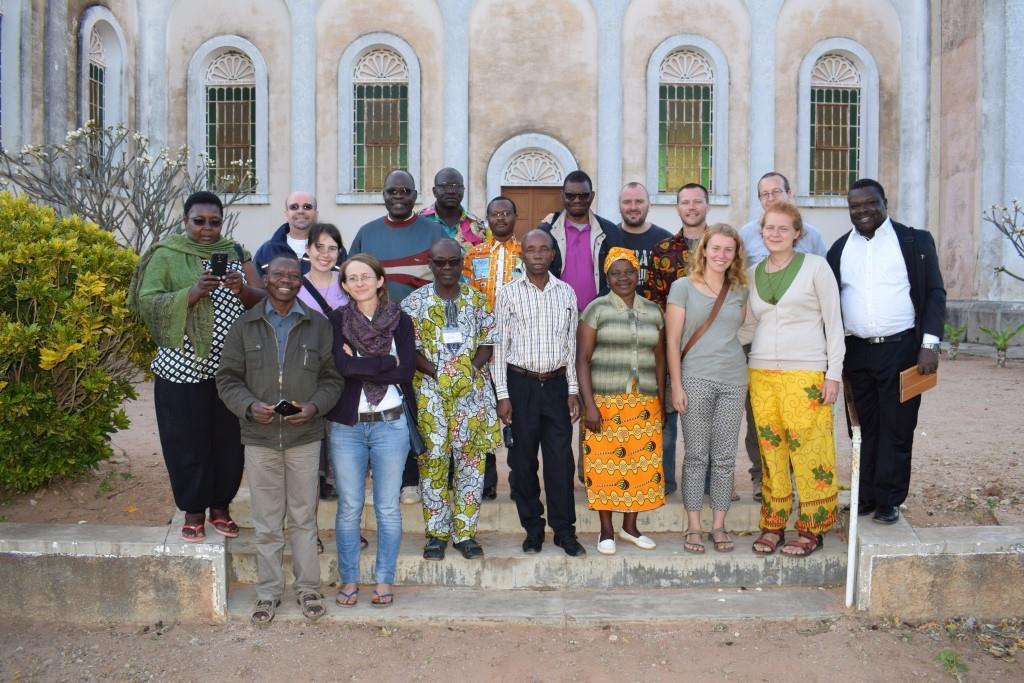
This vision has three consequences. First, the parish. The parish is not a refuge for the saved, but must become the driving force of the mission in the territory, a place of encounter, of listening, of generous charity, with a new flexibility and creativity. Jean Paul Bitia offers us a reflection on this point, drawing on the long experience of the parish of Kariobangi (Nairobi).
3. Missão para além da pastoral ordinária_PT
3.1 A pastoral missionária_PT
3.1 La pastorale missionaria come paradigma di ogni attività eccelsiale_EN
3.1 La pastorale missionaria come paradigma di ogni attività ecclesiale_IT
3.1 La pastorale missionnaire_FR
3.1 Pastoral misionera como paradigma de toda práctica pastoral eclesial_ES
3.2 Le pastorali specifiche comboniane_IT
3.2 Pastorais combonianas específicas_PT
3.2 Pastorales específicas combonianas_ES
3.2 Pastorales spécifiques comboniennes_FR
3.2 Pastorali specifiche comboniane_EN
3.3 A missionary parish - Kariobangi–Nairobi _EN
3.3 Paroise missionnaire - Kariobangi-Kenya_FR
3.3 Uma paróquia missionária - Kariobangi–Nairobi_PT
3.3 Una parrocchia missionaria nello spirito dell'Evangelii gaudium_IT
3.3 Una parroquia misionera Kariobangi-Kenya_ES
3.4 Scheda_EN
3.4 Scheda_ES
3.4 Scheda_FR
3.4 Scheda_IT
3.4 Scheda_PT